The first doctor I remember most is the distinctive Dr. Appa
Rao, who practiced in a tiny, probably 600 sqft space, that was a large room
rented out by my closest friend Naans who lived across from us. It was a
lengthy room, with two tiny wooden doors, probably not more than 10 feet wide.
The length of the room was divided using wooden partitions into three sections.
The first section as you enter is the patient waiting area. Patients can sit on
a long wooden bench, or a few steel chairs, neatly laid along the walls. A
plain cloth screen adorned the entrance to the second section where the doctor
examined his patients. A steel bed was also snugly fit in this section that
left Dr.Appa Rao with only a few feet moving space. At the back, behind the
doctor’s room is the space for the compounder.
Dr. Appa Rao is the quintessential Telugu. He was very fair
and always dressed impeccably. I remember very vaguely that he usually wore a
nicely pressed white shirt, and white pants, with black shoes and black rimmed eyeglasses.
He drove a Lambretta scooter that he would park in in a small space in front of
the his office (see references for a typical Lambretta scooter). One thing all
of us used to watch was the way he kick started his scooter. Starting would
involve a sequence of operations. First, he would stand on the side of the
scooter that has the kick-start pedal. Holding the handlebar in one hand, and
gripping the seat back, he would release the scooter from the stand. Then, he
would tilt the scooter towards him to make sure the fuel flows smoothly. Then
he would twist the knob to open the fuel flow. Again, holding the handle bar
with his right hand, and the seat back in his left hand, he would use his left
foot to kick the pedal. As kids, we get excited to see the doctor in person,
and that too, kick starting his scooter. We used to wait for this moment to
observe the doctor as otherwise we get to see him only when we are sick. In
particular, when he kicks with his left foot, his right foot would lift up and
bend, almost mimicking a mirror image of what he is doing with his left foot.
He would start his scooter in a few kicks and drive away into the night.
Dr.Rao’s compounder was a tall lean fellow, probably in his
thirties when I was a little boy, and I never knew his name. We all called him
the compounder. He used to arrive probably around 5.30 or 6.00 PM and left
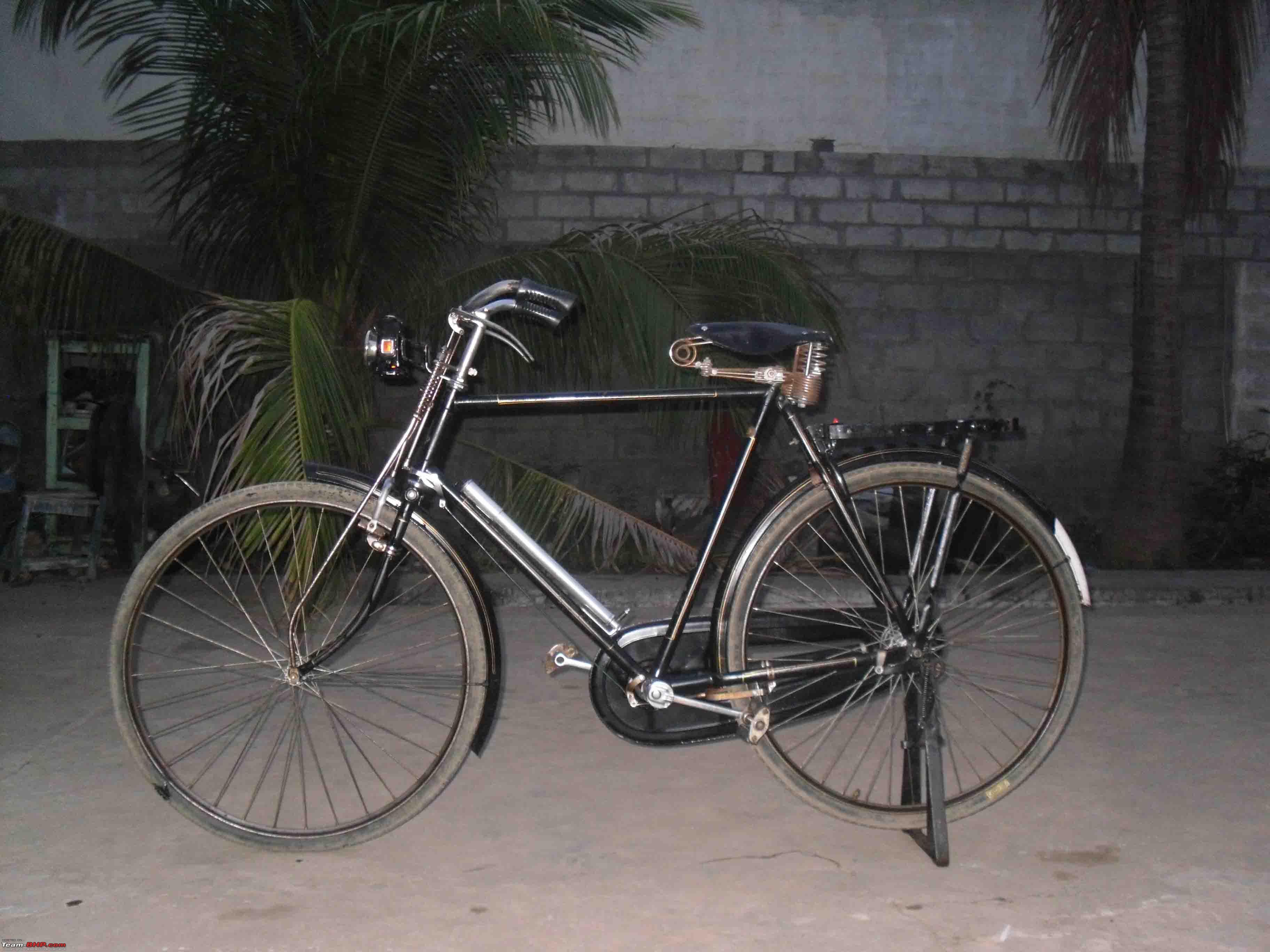
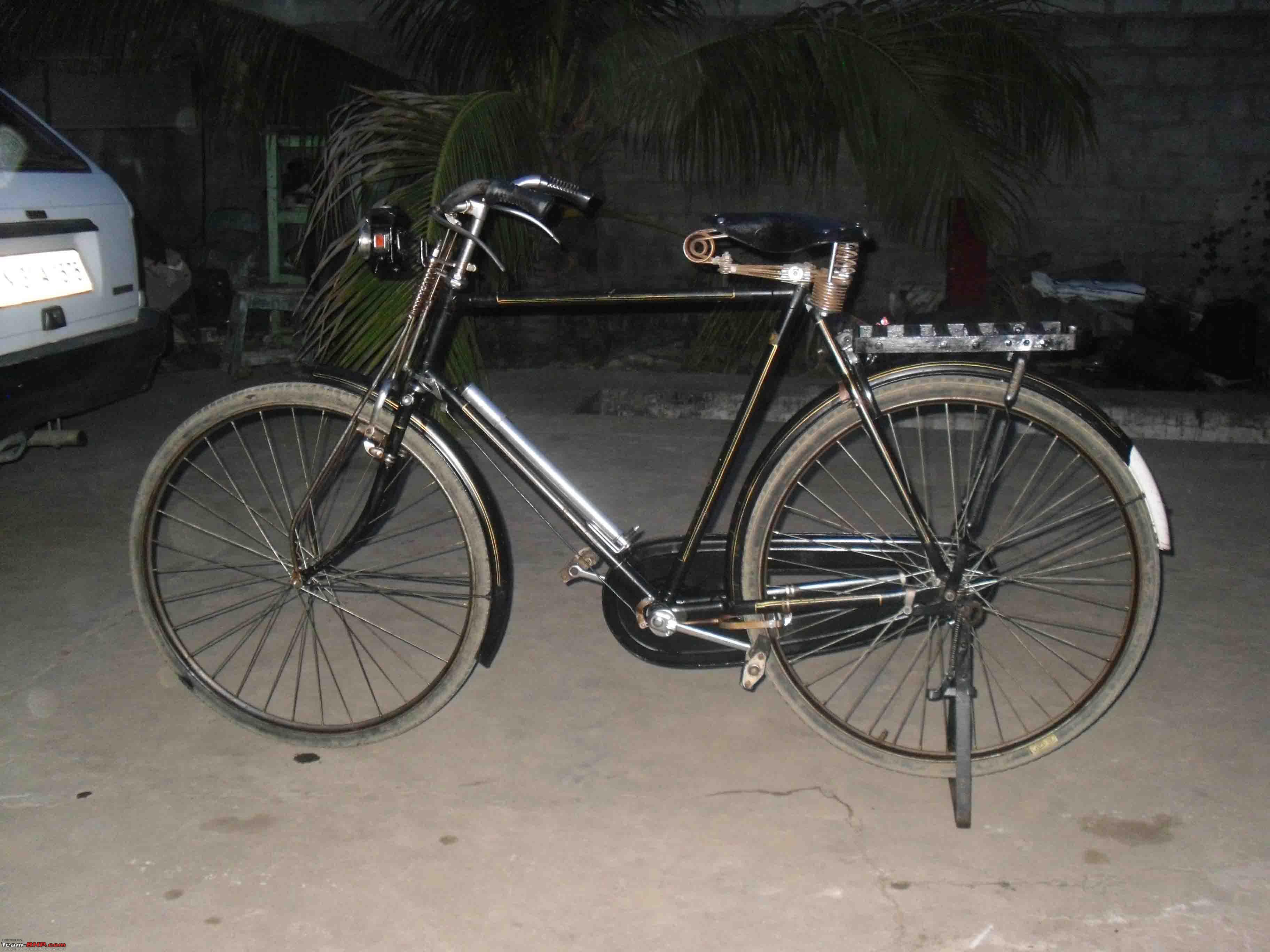
after the doctor leaves, around 9.00 or 9.30 PM. He drove a black classic old
bicycle (see references for the bicycle and lanterns) and, as it grew dark on
the way back, he had an oil lantern affixed on the handlebar. Those days, oil
lanterns served as the headlamp for bicyclists in the night. We too had one
such lantern and I always enjoyed filling up oil, twisting the knob to raise
the wick, open the tiny door with a tiny red colored glass window, and light it
using a matchstick. Though the doctor treated us, the compounder was more near
and dear to all as he dispensed the medications in right quantities. He always
powdered the tablets, measured into individual doses, and packaged in small
paper packets. The most interesting dispensing method is for the liquid
medicines. He had a variety of transparent glass bottles in different sizes
(see references for sample medicinal bottles). Depending on the dosage, he
would fill up the right bottle with the liquid medicine. Then he would take a
long strip of paper, probably 1 cm in width and cut it to the length that
matches the height of the liquid in the bottle. Then he would fold it into as
many flips as the dosage, cut notches along the edge, that when straightened,
looks like a series of octagons (see picture Bottle with Dosage). He would then
fix this strip of paper using glue along the middle of the bottle and voila, we
have our liquid medicine with correct dosage. When we are done with the dosage,
we normally return the bottle back to the compounder so he can clean it and use
it for another patient.
Almost everyone in the street and nearby streets consulted
with Dr. Appa Rao for common illnesses. As time passed, several of my brother’s
friends became doctors and started practicing in the same neighborhood. Dr.
Appa Rao grew older as well, discontinued his practice, and moved out. We never
knew what happened to him or his compounder after that.
References:
Lambretta scooter owned by Dr. Appa Rao. It looked like the
one on the cover of this page: https://www.amazon.com/Lambretta-Bible-models-built-1947-1971/dp/1845850165
Sample medicinal bottles:

Antique bicycle with oil lamp headlight, used by the compounder:
Images of bicycle lamps: http://rareantiqueoillamp.com/a_rare_antique_lucas_kinglet_no62_bicycle_oil_lamp_stamped_gwr_railway_lamp.html
Oil Bicycle Lantern: https://www.worthpoint.com/worthopedia/english-bicycle-oil-lamp-lantern-431817476

No comments:
Post a Comment